
We are delighted to welcome the following keynote speakers to Durham for ISSID 2027.
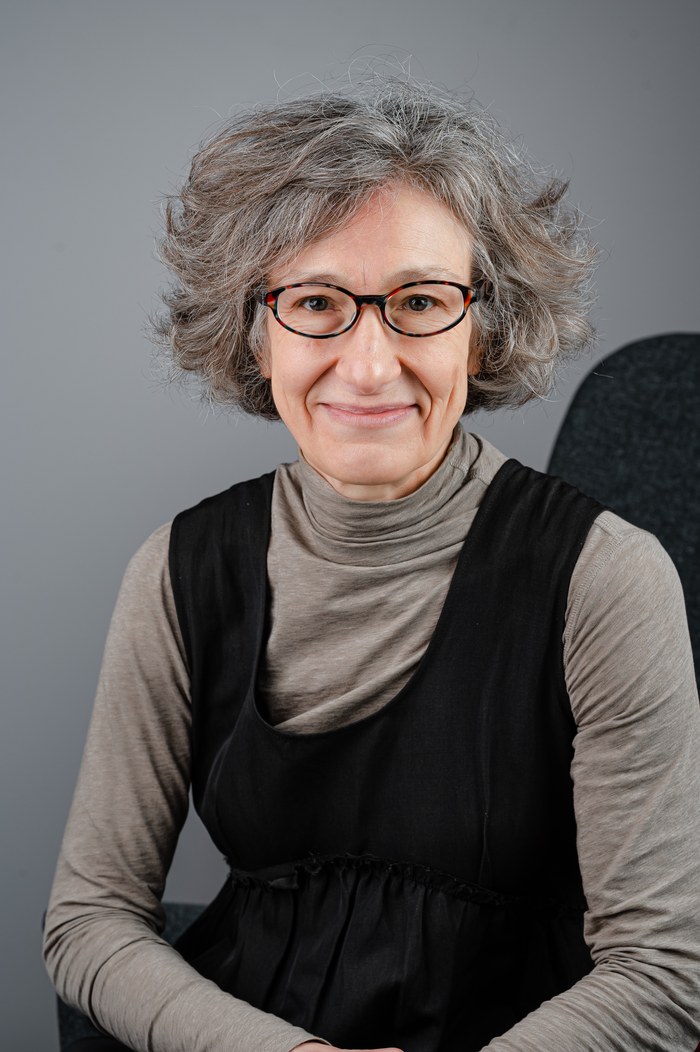
Baylor College of Medicine · University of Houston · Yale University
Dr Grigorenko received her PhD in general (cognitive) psychology from Moscow State University, her PhD in developmental psychology and genetics from Yale University, and her respecialisation in clinical (forensic) psychology from Fielding University. She has published more than 600 peer-reviewed articles, book chapters, and books, and her work spans the well-being of children across the USA, Africa, India, Saudi Arabia, Ukraine, and Russia.
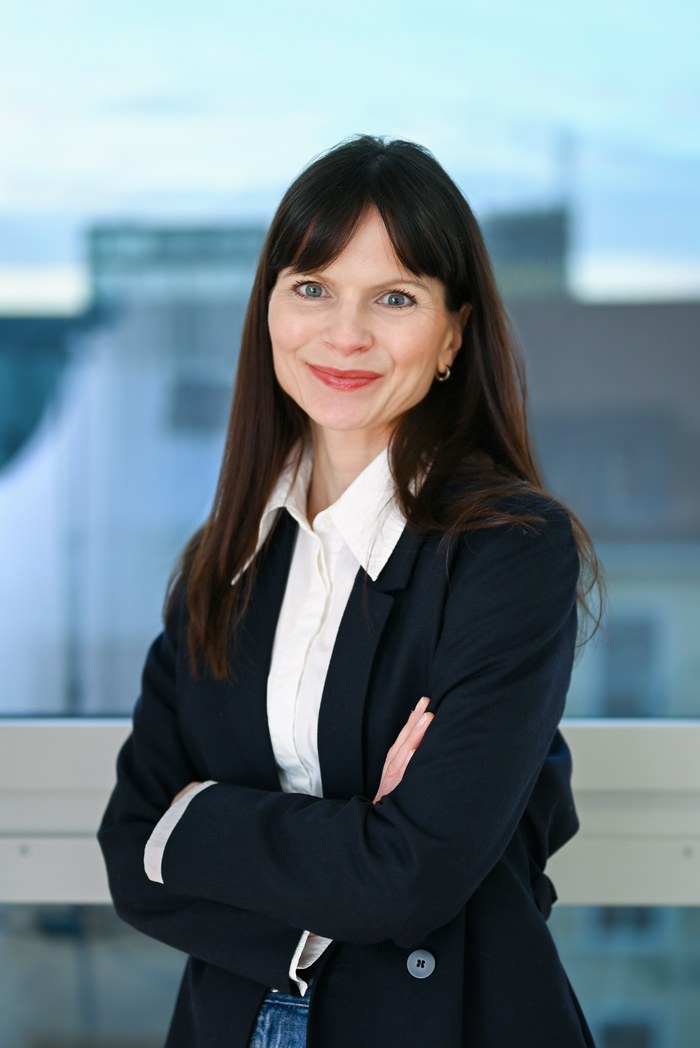
Professor of Individual Differences and Assessment, University of Zurich
Wiebke Bleidorn's research examines personality development across the lifespan, the consequences of personality traits for important life outcomes, and the mechanisms through which personality can change. Her work combines large-scale longitudinal studies, intensive longitudinal methods, and intervention research.

Professor for Methods of Developmental and Educational Psychology, DIPF | Leibniz Institute
Florian Schmiedek heads the Developmental Dynamics unit and serves as Scientific Director of the IDeA Center. His research focuses on the dynamics of cognitive performance and affective wellbeing across the lifespan, using intensive longitudinal designs and ambulatory assessment to study within-person variability and change.
Professor of Work and Organisational Psychology, University of Surrey

Lecturer in Psychology, Division of Psychology Communication and Human Neuroscience, University of Manchester
Dr Belén López-Pérez is a Lecturer in Psychology at the University of Manchester. Her research focuses on interpersonal emotion regulation - how people influence others' emotions - and its implications for wellbeing, relationships, and development. Her work spans childhood through adulthood and examines emotion regulation in everyday social interactions, including when people deliberately improve or worsen others' emotions for longer-term goals. More recently, her research has explored the growing role of conversational AI as a source of emotional support and the ways in which interactions with AI may shape emotion regulation. She is also an Associate Editor at Emotion.